The complete cost of a Teravalis new build can be higher than the advertised base price. A useful budget starts with the selected home and adds the homesite premium, structural and design options, financing and closing costs, HOA charges, moving expenses, and a reserve for items the builder does not include. Price each category in writing before you decide what payment and cash-to-close amount are comfortable.
This guide was researched November 5, 2026. Builder prices, included features, incentives, lender terms, HOA charges, and availability can change. Use a current worksheet for the exact collection, plan, homesite, lender, and closing date you are considering.
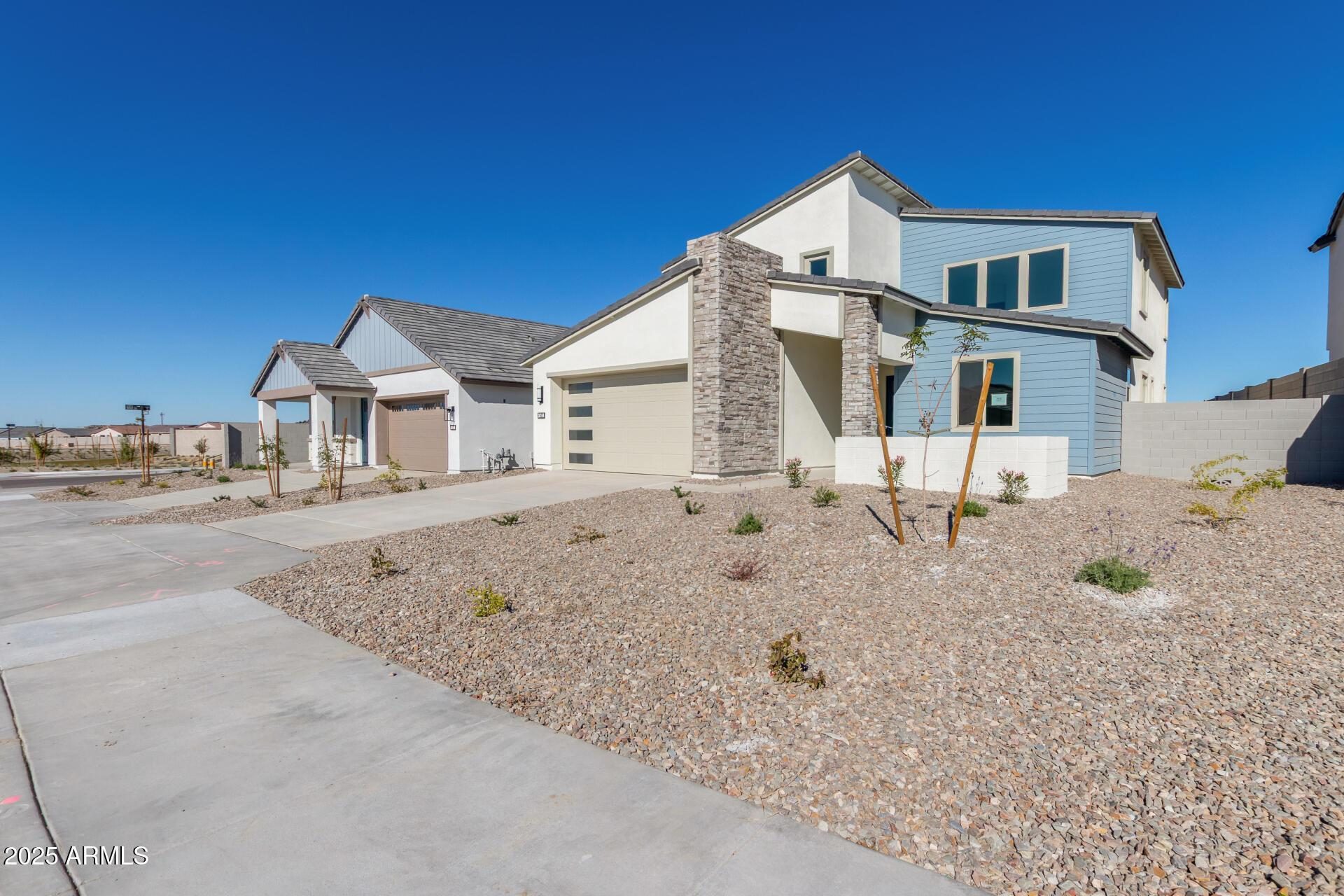
Start with the price for the exact home
A floor plan's starting price is not automatically the price of your finished home. Current official KB Home pages for The Traditions at Teravalis and Mesquite at Teravalis state that displayed prices are base house prices and can exclude options, upgrades, homesite premiums, elevations, and association fees. That disclosure is a good budgeting rule regardless of builder.
Ask for a dated price sheet that identifies the plan, elevation, address or homesite, included features, and every selected charge. Compare that total with specific Teravalis new builds and floor plans and the dated Teravalis MLS inventory. A quick move-in price, a to-be-built starting price, and a resale asking price represent different products.
Budget the major cost layers
Homesite premium and structural choices
A homesite may carry an added charge because of its size, location, orientation, view, or other builder criteria. Structural choices such as an extra garage bay, extended patio, additional bedroom, alternate kitchen, or multi-slide door can also change the price before interior finishes are selected. Confirm whether these amounts become part of the purchase price and whether any deposit is refundable.
Design selections and items outside the contract
Cabinets, counters, flooring, electrical work, plumbing fixtures, appliances, and technology packages can produce a large options total. Then list items you may need after closing, such as window coverings, backyard landscaping, fencing changes, storage, security, and furniture. A model home may display features that are optional or unavailable on your plan, so use the exact included-features sheet instead of the model as your cost standard.
HOA charges, taxes, insurance, and utilities
Record the regular HOA assessment plus any transfer, capital, lifestyle, or other disclosed fees. Review the current governing documents and public report for the exact subdivision and phase. Ask your lender and insurance professional for property-specific estimates, and leave room for utility deposits or service setup. Our Teravalis community guide provides orientation, but the controlling documents and current quotes should shape the budget.
Calculate financing and cash to close
The Consumer Financial Protection Bureau's Loan Estimate guide explains that closing costs are the upfront charges to obtain the loan and transfer ownership, while cash to close includes those costs plus the down payment, adjusted for deposits and credits. Compare estimates for the same loan type, loan amount, lock period, and assumptions.
Include appraisal, title and settlement charges, recording or transfer costs when applicable, prepaid interest, initial escrow funding, homeowners insurance, and any points. The CFPB also notes that mortgage rate locks commonly cover a defined period such as 30, 45, or 60 days, and an extension can cost money. Because construction schedules can move, ask who pays if the initial lock expires.
Measure incentives by net cost
A builder or preferred-lender incentive can reduce cash due, fund a rate buydown, or pay selected closing costs, but the largest headline credit is not always the lowest-cost loan. Compare the interest rate, APR, points, lender fees, monthly payment, cash to close, and total paid over the period you expect to keep the mortgage. Confirm eligibility, expiration, selected-home restrictions, and whether the incentive changes when you use another lender.
Our earlier Teravalis builder-incentive guide explains how to compare offers, but its examples are dated rather than current promotions. Request current written terms for your address and contract date.
Use one all-in budget worksheet
Build a worksheet with four columns: item, written amount, source and date, and whether it is due at contract, closing, or after closing. Add a contingency for price changes, rate-lock extensions, move-in purchases, and early maintenance. Keep the builder price sheet, options addenda, HOA fee schedule, Loan Estimates, insurance quote, and estimated closing statement with the worksheet.
Before signing, reconcile the worksheet to the purchase agreement and financing. If the all-in number is too high, compare a smaller plan, a different homesite, fewer options, a quick move-in home, or a current resale. The goal is not just to qualify for the home, but to preserve enough room in the budget to enjoy it after closing.
Build Your Teravalis Budget Before Your First Tour
Alan Brown and David Dion can help you compare current Teravalis homes, written builder pricing, MLS alternatives, incentives, and the cost layers behind each choice. Ask about our free buyer-representation offer: when the builder or seller agrees to pay our full compensation, you pay no buyer-agent fee. Your written representation agreement will explain the terms and any possible exception before you commit.
Contact and register with our team before your first model-home visit so we can confirm the builder's current representation policy and protect your options.